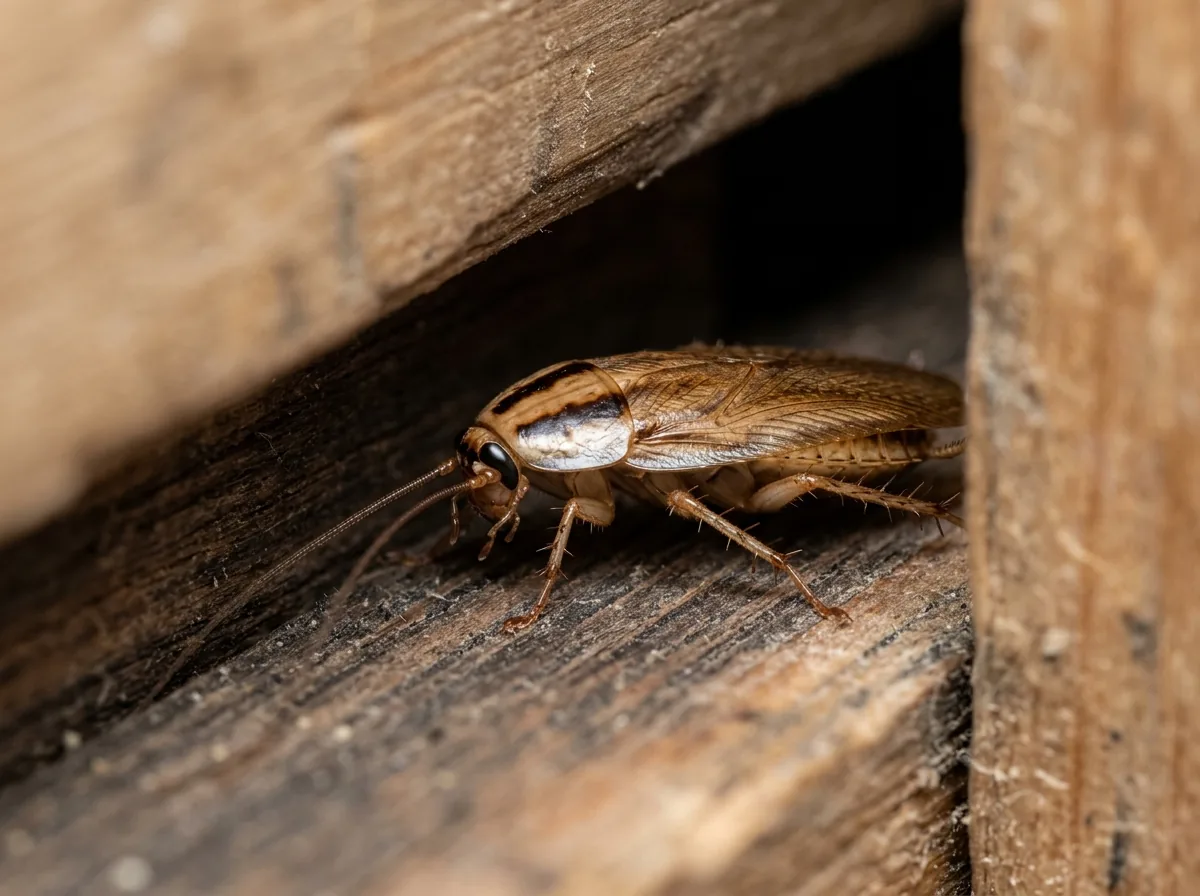
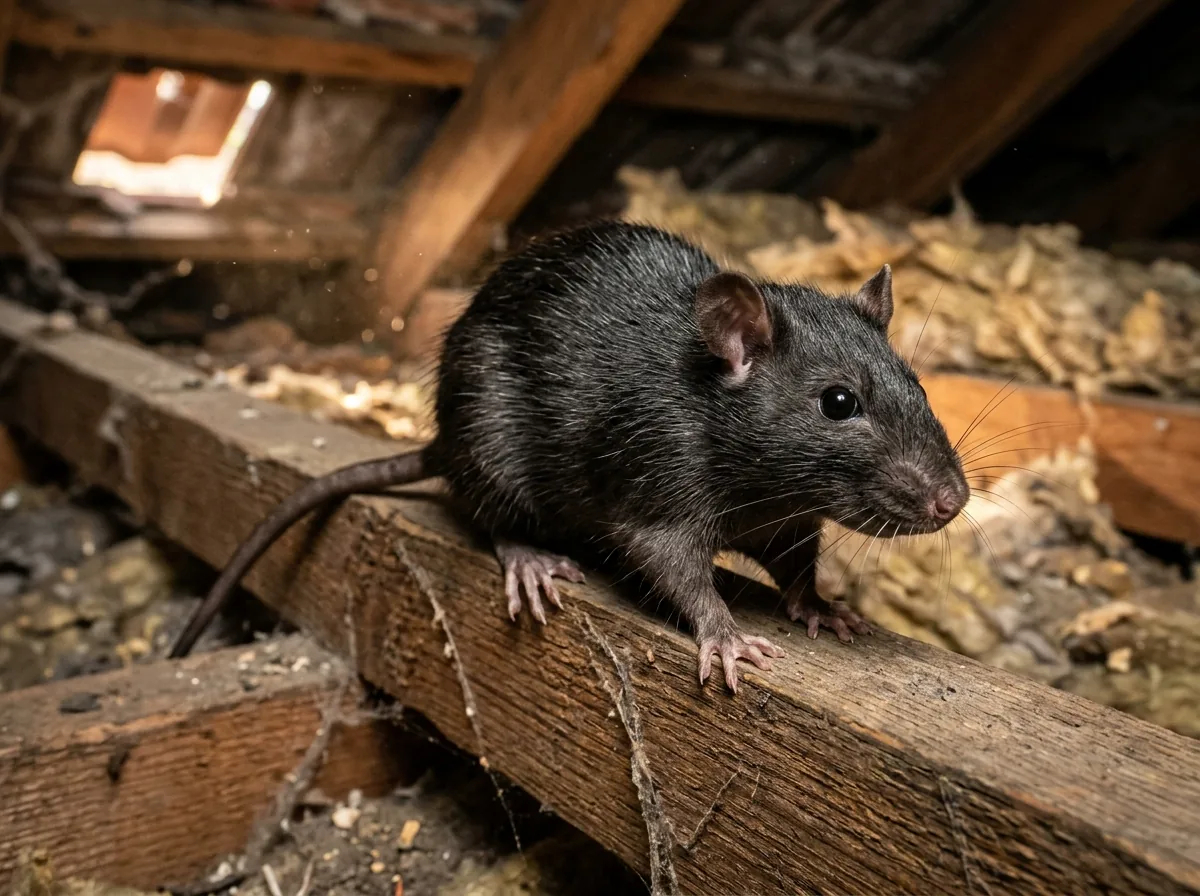
Discreet corporate workplace pest management protecting consulting suites, offices, and server rooms.
Explore Office Pest Control →Sterile, non-aerosol pest eradication compliant with clinical hygiene, infection control, and ADA guidelines for dental practices and healthcare clinics in Aveley and Ellenbrook.
Dental clinic and medical pest control in Aveley is a specialized healthcare facility management service delivering hospital-grade, non-aerosol pest eradication, drain fly bioremediation, and discreet rodent monitoring compliant with Western Australian clinical infection control protocols.
Healthcare settings (including dental surgeries, general practitioner medical centres, pathology collection rooms, physiotherapy suites, and allied health practices) operate under rigorous sterile conditions. The presence of even a single ant in a sterilisation bay or a cockroach in a patient operatory compromises sterile fields, risks cross-contamination of surgical instruments, and violates Australian Dental Association (ADA) infection control guidelines. Conventional chemical spraying with airborne particles cannot be utilized in clinical environments where patients breathe clean filtered air.
We enforce Zero-Airborne-Biocide Protocols inside patient care and instrument sterilisation zones. All treatments are executed with target-specific micro-gel syringe baits, closed-loop tamper-proof mechanical monitors, and biological enzymatic drain foaming that produce zero airborne mists, zero volatile organic compounds (VOCs), and zero chemical fumes.
Surveying plant compressor rooms, autoclave sinks, operatory cabinetry, and pipe chases under strict infection control standards.
Applying surgical-precision micro-gel droplets in hidden motor housings and void spaces far removed from clinical instruments.
Treating clinical sink drains and floor wastes with bio-enzymatic foam that breaks down organic biofilm without chemical fumes.
Providing the practice principal with a detailed audit register, chemical safety certificates, and QA documentation for clinical accreditation.
Discreet corporate workplace pest management protecting consulting suites, offices, and server rooms.
Explore Office Pest Control →
Child-safe, low-toxicity pest management for schools, daycares, and early learning facilities.
Explore School Pest Control →
Food Safety Standard 3.2.2 and HACCP compliance for commercial food premises and dining venues.
Explore Hospitality Pest Control →Yes. We do not use broadcast sprays or chemical aerosols in clinical areas. All treatments inside dental practices rely on targeted micro-droplet syringe gels applied strictly inside enclosed motor housings, beneath kickboards, and inside electrical service chases far away from sterilisation autoclaves and instrument trays.
Drain flies feed on the gelatinous organic biofilm that coats the interior of waste pipes. We inject bio-enzymatic bacterial foaming agents that digest the biofilm and destroy fly eggs and larvae naturally, eliminating the infestation at the source without corrosive chemicals or noxious fumes.
Yes. Our integrated pest management protocols and reporting formats are structured to satisfy NSQHS environmental hygiene standards and dental practice accreditation requirements, complete with technician licensing and SDS documentation.
Speak directly with our healthcare pest specialist to coordinate an out-of-hours practice audit.